
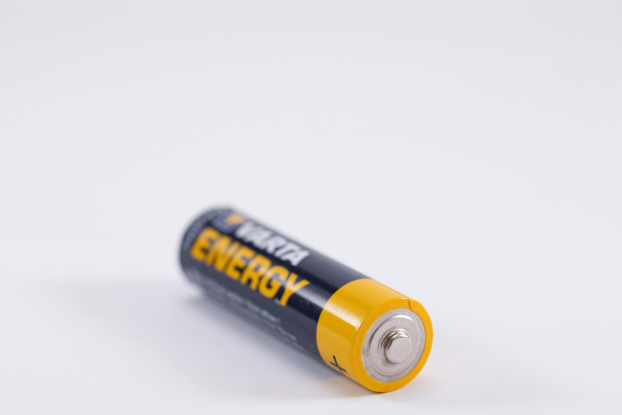
In my decade of tracking Indian equities, few themes have shown the kind of structural tailwinds that battery stocks are witnessing today. From electric vehicles (EVs) to renewable energy storage and consumer electronics, the world is moving toward electrification and batteries are the heart of this energy revolution.
Investors who caught early trends in solar or semiconductors know this: technology transitions create once-in-a-decade opportunities. The transition to clean energy and electric mobility has put battery manufacturers, lithium suppliers, and component makers in the spotlight.
What Are Battery Stocks?
Battery stocks are companies that design, manufacture, or supply batteries and related components used across sectors such as:
Automotive (EV and hybrid vehicles)
Consumer electronics
Industrial power backup
Renewable energy storage systems
Broadly, they fall into three categories:
Market Context: Why India Needs Battery Stocks
India’s energy transition is accelerating. The EV adoption rate has surged 90% YoY (FADA data, FY24), and by 2030, 30% of all vehicles are projected to be electric. To support this, India will need over 100 GWh of battery capacity annually translating into a multi-billion-dollar industry.
Key Growth Drivers:
Government initiatives like PLI Scheme for Advanced Chemistry Cell (ACC) batteries
FAME II subsidies promoting EV purchases
Global companies exploring battery gigafactories in India
Rising imports of lithium and nickel signaling growing domestic demand
The battery market in India is expected to grow at a CAGR of 25–30% (2024–2030) — far outpacing most other industrial segments.
Read: 12 Best Data Center Stocks in India
Top Battery Stocks in India 2026
Below is a curated list of leading and emerging battery stocks in India, each analyzed with key financials, business strengths, and investment outlook.
HBL Power Systems Ltd
Diversified battery and defense electronics manufacturer with exposure to railways, telecom, and EVs.
Commentary:
Strong R&D focus and niche positioning make HBL an under-the-radar growth stock.
However, liquidity and small-cap volatility remain key risks.
Eveready Industries India Ltd
Iconic dry cell manufacturer turning around after restructuring. While legacy batteries face competition, its consumer appliance diversification is promising.
Commentary:
Turnaround play. Attractive if management sustains double-digit growth in consumer segments.
Nippo Batteries (Indo National Ltd)
Traditional dry-cell player, gradually expanding into rechargeable and lithium-ion products.
Outlook:
Steady compounder; limited EV exposure but strong cash flows.
Read: Best AI Stocks in India for Long Term
Goldstar Power Ltd
Small-cap manufacturer of automotive and inverter batteries.
Analyst Note:
Aggressive capacity expansion could unlock value. However, watch for execution risk and margin volatility.
Uno Minda Limited
Auto component giant diversifying into EV battery systems, charging, and electronic components.
Commentary:
A proxy EV play. Uno Minda is not a pure battery stock but a strategic EV ecosystem player, one of the most balanced bets in the auto ancillary space.
EV Battery Stocks in India
Exide Industries Ltd
India’s largest lead-acid battery manufacturer, with a growing focus on lithium-ion technology via its subsidiary Exide Energy Solutions.
Analyst Commentary:
Exide’s pivot toward EV battery manufacturing in Bengaluru is its most significant long-term catalyst. However, short-term margin pressures persist due to high raw material costs.
Strength: Strong distribution network and brand recall.
Risk: Slow transition from lead-acid to lithium-ion may cap growth.
Read: Drone Stocks in NSE
Amara Raja Energy & Mobility Ltd
A close rival to Exide, Amara Raja is investing ₹9,500 Cr in Li-ion cell manufacturing under the ACC PLI scheme.
Strength: Early mover in energy storage systems and EV charging infra.
Risk: Execution risk in scaling new Li-ion business.
Analyst Take:
Amara Raja’s new energy business could double revenue within five years if scale-up succeeds. It’s a strong “Buy on Dips” candidate for long-term investors.
Panasonic Energy India Company Limited
Operates in alkaline and zinc batteries; strong MNC parentage gives it credibility.
Outlook:
Steady business, but lacks EV exposure better for defensive investors.
High Energy Batteries (India) Ltd
Specializes in defense-grade and space-grade batteries, a niche segment with high entry barriers.
Analyst Take:
A hidden gem in niche defense battery space. Low float, high valuation invest cautiously.
Read: Top 14 Renewable Energy Stocks in India
CLN Energy Ltd
Emerging lithium-ion battery player focusing on renewable and EV applications.
Commentary:
Speculative but high potential. One of India’s few pure-play lithium battery stocks.
Factors to Consider Before Investing
1. Financial Health
Look for companies with low debt, positive cash flow, and improving ROE.
2. Technological Adoption
Li-ion, solid-state, and sodium-ion battery adoption will redefine the landscape. Companies investing in R&D and partnerships will lead.
3. Government Policy Support
PLI schemes and EV subsidies directly impact growth trajectories.
4. Global Competition
Imported cells from China and Korea could pressure margins.
5. Sustainability & ESG
Companies prioritizing recycling and green chemistry will attract institutional capital.
Conclusion
Battery sector stocks represent the fuel of the electric age. From EVs to solar storage, this sector sits at the intersection of energy, technology, and policy a trifecta rarely found in investing.
While established names like Exide and Amara Raja offer stability, emerging lithium-focused players like CLN Energy could deliver explosive growth albeit with higher risk. As always, diversify across categories and focus on companies with clear visibility on technological and financial execution.
Disclaimer: The information provided above is for educational and informational purposes only. Investing in stocks involves risks. Please consult your financial advisor or conduct your own research before making any investment decisions.