
When a new train is flagged off in India, it may look like just another government event. A ribbon, a green flag, a speech, and a few headlines. But behind every new railway line or train service lies a much bigger story, one that touches jobs, trade, regional growth, and the everyday lives of millions. Recently, Prime Minister Narendra Modi flagged off seven new trains from Malda, West Bengal, including India’s first Vande Bharat Sleeper train and multiple Amrit Bharat Express services. Along with this, railway and road projects worth over ₹3,250 crore were inaugurated or launched. This is not just about faster trains. It is about how infrastructure quietly powers an economy, connects regions, and improves opportunities for ordinary people. In this blog, you will get to know a Quick Look at What Was Launched, and Why the Vande Bharat Sleeper Train Is a Big Deal, How Better Rail Connectivity Helps the Economy? The event in Malda marked the launch of seven new train services, each designed for a specific purpose: This new train runs between Howrah (West Bengal) and Kamakhya (Assam). Unlike the existing Vande Bharat trains that run during the day with chair cars, this is a sleeper version, built for long-distance overnight travel. It combines modern features with sleeper comfort, something Indian Railways passengers have long wanted. These trains are designed to be reliable, affordable, and long-distance, connecting distant regions such as: New Jalpaiguri to Nagercoil New Jalpaiguri to Tiruchirappalli Alipurduar to Bengaluru Alipurduar to Mumbai (Panvel) These help connect smaller towns with major employment and business hubs. Along with trains, rail electrification, new lines, and maintenance facilities, the announcement also included road projects. India is a country where overnight train travel is common. Millions travel long distances for work, education, family, and business. Until now, passengers had to choose between: Fast trains with seating but no beds Sleeper trains that were slower and less modern The Vande Bharat Sleeper train changes this equation. Designed for long-distance overnight journeys Modern coaches, better suspension, quieter cabins Faster travel compared to traditional long-distance trains Better safety systems and energy efficiency Faster overnight travel means: Business travellers lose fewer working hours Workers can travel comfortably without taking extra leave Productivity improves because time spent travelling is reduced Over time, this kind of efficiency quietly adds up across the economy. While Vande Bharat is about premium comfort and speed, Amrit Bharat Express trains focus on scale and affordability. These trains serve long routes that connect: Eastern India with South India Smaller towns with metro cities Migrant workers, students, traders, and families They may not look flashy, but they play a critical economic role. Lower travel costs for workers and small traders Better access to jobs in big cities Stronger movement of labour, which supports industries India’s economy depends heavily on labour mobility, and affordable trains are one of the strongest enablers of that mobility. Railways are not just a transport system. They are an economic engine. India has long struggled with high logistics costs compared to global standards. Better rail connectivity: Reduces dependence on expensive road transport Improves the movement of goods across states Makes Indian businesses more competitive When goods move faster and cheaper, prices stay under control, and businesses grow. One major goal of these new trains is to connect eastern and northeastern India with the rest of the country. This helps by: Bringing investment to less-developed regions Encouraging tourism Supporting local industries and markets Balanced growth reduces pressure on overcrowded cities and creates opportunities closer to home. Every large infrastructure project creates jobs in multiple layers: Construction and engineering Manufacturing of coaches and components Station services, catering, cleaning, and maintenance Local businesses around stations Even after the train starts running, employment continues year after year. Projects worth ₹3,250 crore may look expensive at first glance. But infrastructure spending is not a cost; it is an investment. Higher economic activity Increased tax collections Better connectivity for industries Improved quality of life Countries that invest consistently in infrastructure tend to grow faster and more sustainably over time. Environmental and Energy Benefits Rail transport is far more energy-efficient than road transport. With electrification and modern train technology: Fuel consumption per passenger falls Carbon emissions reduce Dependence on imported fuel decreases This aligns with India’s long-term goals of energy efficiency and sustainability. For an ordinary citizen, the benefits are very practical: Shorter travel time More comfortable journeys Better connectivity between hometowns and work cities Reduced travel stress For students, workers, small business owners, and families, this directly improves quality of life. When trains connect distant regions more frequently and reliably, they do more than move people; they bring cultures, languages, and economies closer. Better connectivity between eastern India, the Northeast, the South, and major metros strengthens: National integration Trade between states Social and cultural exchange This soft but powerful impact is often overlooked. Indian Railways is one of the largest rail networks in the world. Modernising it is not optional; it is essential. Projects like: Vande Bharat Sleeper Amrit Bharat Express Electrification and capacity expansion show a shift towards long-term thinking, not short-term headlines. The goal is simple: Move people faster Move goods cheaper Connect regions better When these three things happen together, economic growth follows naturally. The launch of new trains from Malda is not just about transport. It is about how a country prepares itself for the future. By investing in modern, efficient, and inclusive rail infrastructure, India is: Improving productivity Reducing regional inequality Supporting businesses and workers Making everyday life easier for millions The Vande Bharat Sleeper train represents the future of long-distance travel. The Amrit Bharat Express represents inclusive growth. Together, they show how infrastructure, when well planned, quietly shapes a stronger, more connected nation. Sometimes, the most powerful economic changes do not arrive with loud announcements; they arrive on railway tracks, one train at a time. Vande Bharat Sleeper & Amrit Bharat Express Launch – Indian Express (The Indian Express) Indian Railways Traffic Revenue (2019–20 to 2023–24) – Press Information Bureau (PIB) (Press Information Bureau) Indian Railways Total Revenue in FY 2023‑24 – Press Information Bureau (PIB) (Press Information Bureau)India’s New Trains, A Bigger Journey: How Vande Bharat Sleeper and Amrit Bharat Express Strengthen the Economy and Everyday Life
A Quick Look at What Was Launched
1. India’s First Vande Bharat Sleeper Train
2. Four Amrit Bharat Express Trains
3. Two Additional Express Trains
Why the Vande Bharat Sleeper Train Is a Big Deal
What Makes It Different
Economic Impact
Given below is the List of data on the financials of the Indian Railways for the Last 5 Years
Economic Insights
Amrit Bharat Express: Affordable Growth, Not Luxury
Why These Trains Matter
How Better Rail Connectivity Helps the Economy
1. Lower Logistics Costs
2. Regional Development and Balanced Growth
3. Job Creation Beyond Just Railways
Why Infrastructure Spending Has Long-Term Benefits
Long-Term Returns Include:
How This Impacts the Common Traveller
Strengthening National Integration
The Bigger Picture: Railways as India’s Growth Backbone
Conclusion:
Spending up till now, and how it would have affected the economy on the basis of numbers SOURCES:
Prime Minister Visit and Project Launch Details – PIB Release (Press Information Bureau)
Blogs / India’s New Trains, ...
India’s New Trains, Vande Bharat Sleeper
2026-01-19 · 6 min read
Sector - Technology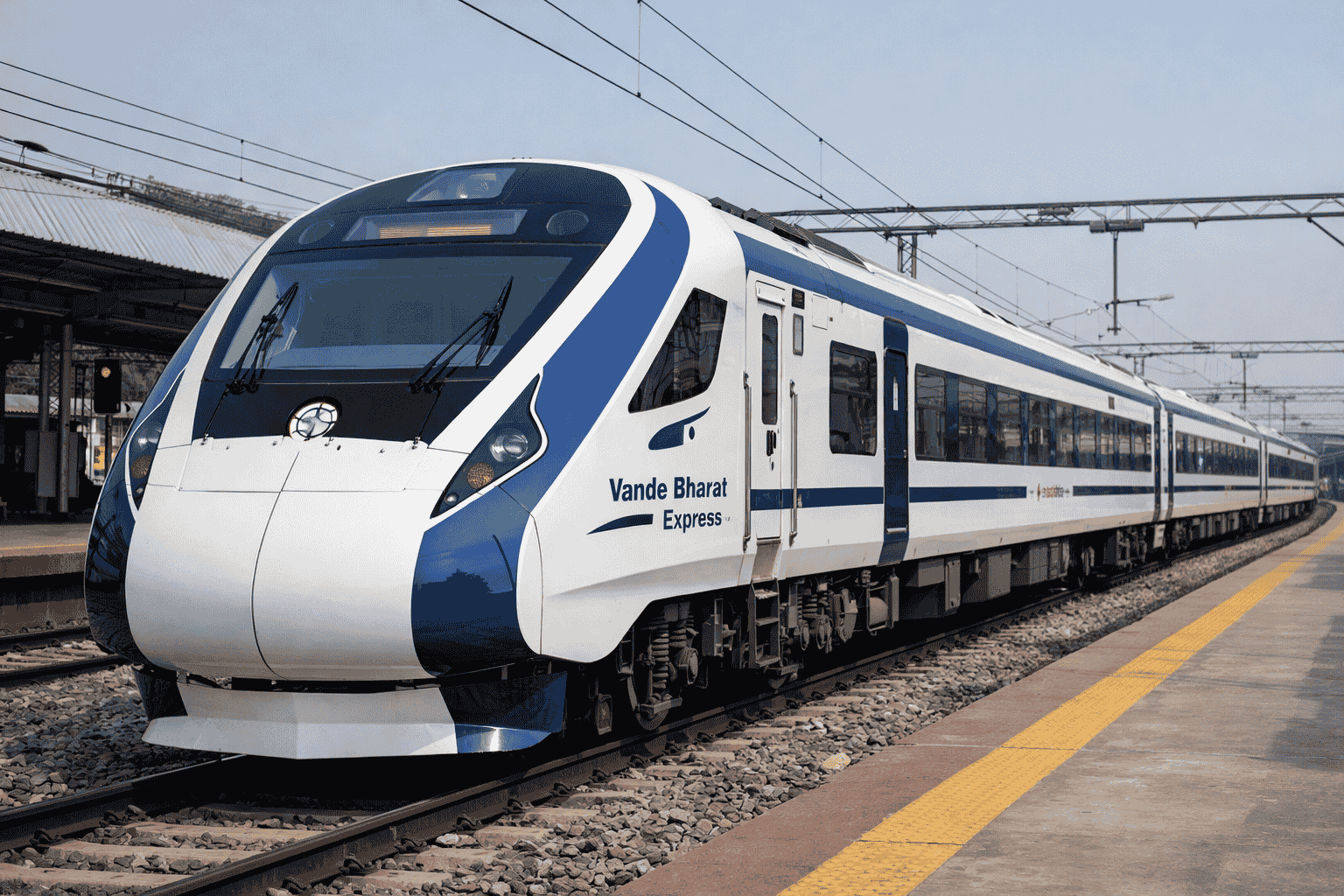
To read the RA disclaimer, please click here